
Sourcing strong deals is only half the job. For fund managers, the equally challenging task is guiding investors from first contact through to commitment, and then managing those relationships long term. Too often, this means endless follow-up calls, repeated explanations, and countless one-off emails.
The result? Burnout for you and a disjointed experience for your investors.
The good news is that you don’t have to rely on memory, spreadsheets, or manual outreach. By setting up the right automations in your CRM, you can create a consistent, professional investor journey that runs in the background while you focus on sourcing new opportunities and having strategic conversations.
At a minimum, every fund manager should implement automations for:
- Welcome emails that establish professionalism from the first touch.
- Educational drip campaigns that position you as a trusted authority.
- Deal announcement sequences that drive engagement when it matters most.
- Onboarding workflows that streamline the commitment process.
- Ongoing updates that build trust and investor loyalty over time.
Let’s walk through how each stage of the investor journey can be mapped in your CRM, and the automations that make the difference between a reactive, exhausting process and a scalable capital-raising system.
Key Takeaways
- A CRM is more than a database. It should be the engine of your investor relations program, automating communication across every stage of the journey.
- Proper tagging, segmentation, and engagement tracking allow you to focus your personal outreach on the most engaged prospects.
- Automation reduces repetitive tasks, frees your team to focus on high-value investor conversations, and ensures consistent, professional communication.
- A well-structured CRM builds trust, strengthens investor confidence, and creates the scalability fund managers need to raise capital efficiently.
- Why Your CRM Is More Than a Contact Database
- Mapping the Investor Journey
- Stage 1: Automations for New Leads
- Stage 2: Educational Drip Campaigns
- Stage 3: Automations for Active Offerings
- Stage 4: Automations for New Commitments
- Stage 5: Retaining & Reinvesting Investors
- Putting It All Together – A Sample CRM Workflow
- Conclusion
Why Your CRM Is More Than a Contact Database
Many firms still treat their CRM as a glorified Rolodex. It holds names, phone numbers, maybe a few notes, but it doesn’t actively help manage relationships. In capital raising, this mindset severely limits growth.
When configured strategically, a CRM becomes the engine of your investor relations program. Beyond a storage tool, it’s a:
- Marketing automation platform: delivering the right message at the right time, without manual effort.
- Relationship intelligence system: tracking every touchpoint with investors and prospects.
- Scalable communications hub: ensuring consistent, professional outreach, regardless of list size.
This shift is critical because accredited investors expect professionalism. A well-structured CRM communicates reliability, consistency, and competence — all traits that directly influence investor confidence.

Mapping the Investor Journey
Before designing automations, fund managers need a clear view of the investor journey. Accredited investors don’t commit capital overnight; they move through predictable stages that require different types of communication.
Here’s a simplified version of the journey:
- Awareness – A prospect discovers your firm and expresses initial interest.
- Education and Nurture – They learn who you are, how you operate, and why they should trust you.
- Commitment – They decide to review and commit to an offering.
- Onboarding – They complete documents, wire funds, and officially join as an investor.
- Ongoing Relationship – You maintain regular communication, building loyalty and positioning them for future commitments.
Each stage requires its own automation strategy. Let’s break them down.
Stage 1: Automations for New Leads
First impressions set the tone for everything that follows. When a prospective investor downloads a guide, attends a webinar, or fills out your website form, your CRM should immediately acknowledge that interest.
The Welcome Email
The most important first automation is the welcome email. This message should:
- Confirm their subscription or registration.
- Thank them for their interest in your firm.
- Set expectations for what kind of communication they’ll receive.
- Optionally, link to foundational materials (e.g., firm overview, investment philosophy).
A professional welcome email shows that your firm is organized and investor-focused from the outset.
Tagging and Segmentation
At the same moment, your CRM should automatically tag the new contact based on their source, such as Website Lead, Webinar Attendee, or Referral.
Why this matters:
- It allows for tailored follow-up. A referral may require a different sequence than someone who came through a cold channel.
- It enables you to measure the effectiveness of each marketing source.
- It lays the foundation for sending highly relevant, segmented communications later.
Segmented campaigns deliver significantly higher engagement. For fund managers, that means stronger investor relationships and more efficient capital raising.
Stage 2: Educational Drip Campaigns
Once a contact is in your system, the next task is to nurture them into a warm prospect. This requires consistent, educational communication that positions your firm as a credible, trustworthy manager.
Why Nurturing Matters
Accredited investors are evaluating not just your deals but your professionalism and expertise as a manager. A drip campaign allows you to demonstrate both before you ever present a live offering.
Sample Drip Campaign Structure
A simple four-part drip campaign might include:
- Your Story & Philosophy – Share your background, mission, and investment approach. This builds personal credibility.
- Case Study of a Past Deal – Walk through a previous project, focusing on how you managed risk and created value.
- Market Insights – Provide an article or report on current trends, with your commentary. This shows you’re on top of the industry.
- Interactive Invite – Offer an invitation to a Q&A webinar or office hours. This gives prospects a chance to engage directly.
This type of campaign builds familiarity and trust. By the time you present a deal, prospects already see you as a competent, reliable partner.

Stage 3: Automations for Active Offerings
When it’s time to raise capital for an active deal, your CRM automations can make the process both efficient and effective.
The Deal Announcement Sequence
Rather than sending a single announcement, plan a short sequence of emails:
| Purpose | Timing | |
|---|---|---|
| Initial Announcement | Introduce the opportunity with key highlights (asset type, market, structure). | Day 1 |
| Deep Dive | Provide access to your deal room, offering memorandum, or webinar recording. | Day 3 |
| FAQ & Social Proof | Address common questions and include a testimonial or reference. | Day 5 |
| Final Reminder | Create urgency by noting subscription deadlines or allocation limits. | Day 7 |
Interest Tracking Automation
Your CRM should automatically tag any contact who clicks on a deal link. This creates a “hot list” of engaged prospects.
Your team can then prioritize personal outreach to these individuals, ensuring resources are focused on those most likely to commit.
This simple step transforms your capital raise from broad outreach to targeted engagement.
Stage 4: Automations for New Commitments
Securing a commitment is a milestone, but it’s only the beginning. How you handle the onboarding process shapes investor confidence.
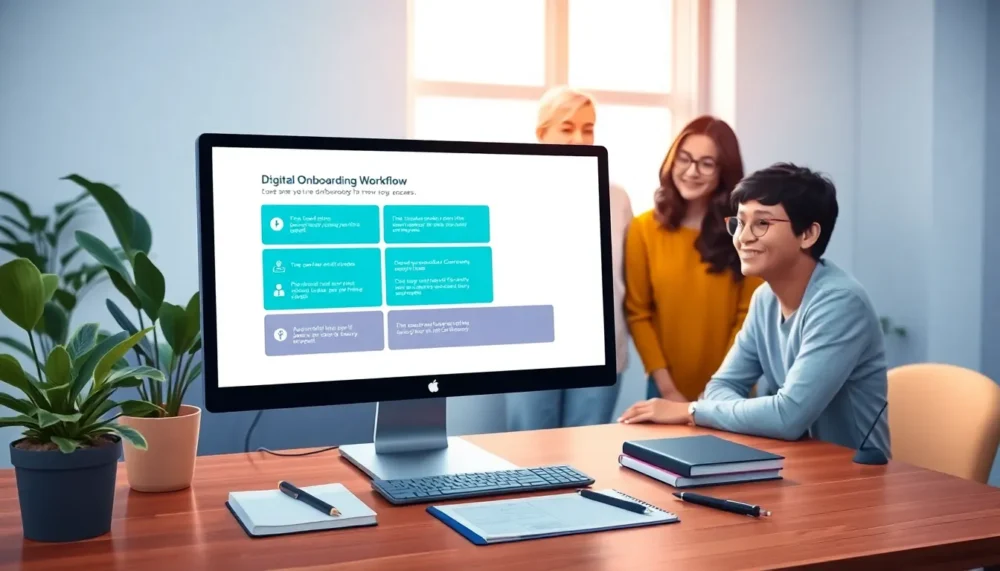
The Onboarding Workflow
An automated workflow should guide new investors through each administrative step, such as:
- Sending electronic signature links for documents.
- Providing wire transfer instructions.
- Confirming receipt of funds and documents.
This eliminates friction, reduces back-and-forth, and reinforces your firm’s professionalism. Smooth onboarding directly impacts whether an investor chooses to reinvest in the future.
Stage 5: Retaining & Reinvesting Investors
Investor relations don’t end at the close. In fact, post-investment communication is one of the strongest drivers of repeat commitments.
Automated Investor Updates
Set up a recurring automation for monthly or quarterly investor updates. Even a brief email can:
- Summarize portfolio performance.
- Provide status updates on specific assets.
- Reinforce that operations are on track.
Consistent communication demonstrates transparency and builds lasting trust.
Personal Touch Automations
Your CRM can also schedule smaller touches, such as:
- Birthday or anniversary messages.
- First investment anniversary notes.
- Occasional thank-you messages for continued partnership.
These gestures humanize your relationship and help transform investors from one-time participants into long-term partners.
Putting It All Together – A Sample CRM Workflow
Here’s what a streamlined investor journey looks like inside a CRM:
- Lead Capture – Prospect downloads a resource.
- Immediate Action – CRM sends a welcome email and applies a “New Lead” tag.
- Nurturing – Prospect enters a four-part educational drip campaign.
- Deal Announcement – When you launch a deal, all relevant prospects receive the announcement sequence.
- Interest Tracking – Prospects who click deal links are tagged for follow-up.
- Commitment – Status is updated in the CRM once they commit.
- Onboarding – Automated workflow delivers documents and funding instructions.
- Ongoing Updates – The investor has been added to the monthly or quarterly update distribution.
This flow ensures no lead slips through the cracks and every investor receives a consistent, professional experience.
Conclusion
Automating your CRM is not about being impersonal. It’s about ensuring that every investor receives timely, professional communication without overwhelming your team with repetitive tasks.
For fund managers, the right CRM setup:
- Builds investor confidence through consistent professionalism.
- Saves time by eliminating manual follow-up.
- Supports scalability so your firm can grow beyond your personal bandwidth.
Start simple. Implement a welcome email, then add an educational drip campaign. Over time, layer in deal announcements, onboarding workflows, and update sequences.
The result is a CRM that doesn’t just store contacts but actively drives your capital-raising success, turning investor interest into lasting partnerships.
Lightmark has worked with real estate entrepreneurs to raise private equity since 2012. Today, we help some of the most respected private equity firms in the US raise capital for real estate, energy, and other sectors.
Click the “Get Started” button below to learn more about the software, systems, and strategies that we use every day to raise capital for real estate fund managers, syndicators, and capital aggregators.